Introduction
When it comes to mold in our homes, most people think of it as an unsightly problem that can ruin the aesthetic appeal of their living space. However, understanding the different types of mold, particularly black mold and green mold, is crucial for maintaining a healthy environment. These fungi not only differ in appearance but also pose varying levels of risk to human health and structural integrity. This article delves deep into the nuances of black mold vs. green mold, exploring their characteristics, risks, and the necessary steps for effective mold remediation.
Black Mold vs. Green Mold: Understanding the Differences and Risks
Mold is a type of fungus that thrives in damp environments and can be found both indoors and outdoors. Two common types are black mold (Stachybotrys chartarum) and green mold (often species like Cladosporium or Aspergillus). While they may appear similar at first glance, they exhibit significant differences in terms of health risks, growth conditions, and methods for removal.
What Is Black Mold?
Black mold primarily refers to Stachybotrys chartarum, which is often characterized by its dark greenish-black color. This type of mold is notorious for its potential health hazards, particularly for individuals with respiratory issues or weakened immune systems.
Health Risks Associated with Black Mold
Respiratory Problems: Exposure to black mold can lead to coughing, sneezing, nasal congestion, and throat irritation. Allergic Reactions: Some individuals may experience allergic reactions, such as skin rashes or eye irritation. Toxic Effects: Certain strains release mycotoxins that can lead to more severe health complications like neurological issues or chronic fatigue syndrome.What Is Green Mold?
Green mold is a common term for various molds that appear green in color. It can be less harmful than black mold but should still be taken seriously due to its potential health effects.
Health Risks Associated with Green Mold
- Respiratory Issues: Similar to black mold, exposure can cause coughing, sneezing, and other respiratory problems. Skin Irritation: Some people may develop rashes or irritations upon contact with green mold.
Key Differences Between Black Mold and Green Mold
| Feature | Black Mold | Green Mold | |-----------------------|-------------------------------------|------------------------------------| | Color | Dark greenish-black | Bright green | | Health Risks | More severe; toxic effects possible | Generally milder | | Growth Conditions | Requires high moisture | Can grow in less humid environments | | Removal Difficulty | Often requires professional help | Can often be cleaned by homeowners |
How Do They Form?
Both types of molds thrive in damp conditions but have mold removal slightly different preferences:
- Black Mold prefers warm environments with high humidity (above 70%). Green Mold can sometimes thrive in cooler temperatures and doesn’t require as much moisture.
Mold Inspection: Identifying the Type
When faced with a potential mold issue in your home or business, conducting a thorough mold inspection is essential. Professionals use specialized equipment to identify not just the presence of mold but also its type.
What Happens During a Mold Inspection?
Visual Examination: Inspectors look for visible signs of any type of mold. Air Quality Testing: Samples are collected from the air to determine spore levels. Surface Sampling: Swab tests on affected areas help identify specific strains.The Importance of Mold Testing
Understanding whether you have black or green mold is vital not just for your peace of mind but also for effectively addressing the issue through proper treatment protocols like mold removal or mold remediation.
Why Should You Test for Mold?
Testing provides invaluable insights into:
- The specific strain present The level of contamination Appropriate remediation strategies
Types of Mold Testing Methods
Air Sampling Surface Sampling Bulk SamplingEach method has its pros and cons depending on your needs.
Mold Remediation Procedures Explained
Once you've determined that you have either black or green mold through testing and inspection procedures, it's time to focus on remediation strategies tailored specifically to each type.
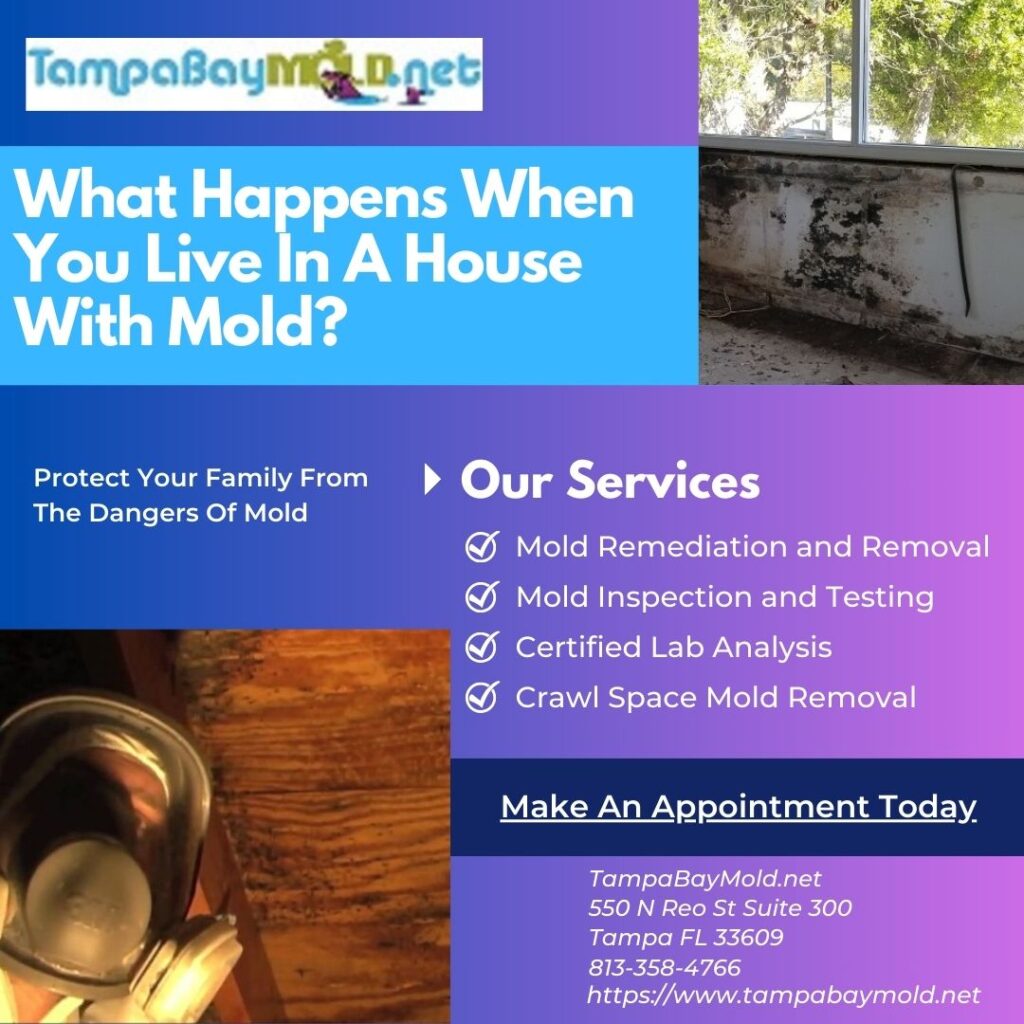
Steps for Effective Mold Remediation
Identify Source: Find out what’s causing moisture issues. Contain Area: Seal off affected areas to prevent spores from spreading. Remove Contaminated Materials: Dispose of materials that cannot be salvaged safely. DIY mold removal Clean Non-Porous Surfaces: Use appropriate cleaning agents designed for fungal removal. Repair Water Damage: Fix leaks or other sources contributing to moisture problems. Control Humidity Levels: Utilize dehumidifiers where necessary.DIY vs Professional Help in Mold Removal
One burning question many homeowners face is whether they should tackle the situation themselves or hire professionals for mold removal.
Pros & Cons
DIY Removal
Pros:
- Cost-effective Immediate action possible
Cons:
- Risk of improper handling Potential health hazards during cleanup
Professional Removal
Pros:
- Expertise ensures thorough removal Advanced tools available
Cons:
- Higher costs involved May require scheduling wait times
Ultimately, if you suspect black mold presence due to its toxicity risk factors, seeking professional help is advisable.
Cost Factors Involved in Mold Remediation Services
Understanding how much you might need to spend on professional services helps you budget effectively:
Typical Costs
Initial Inspection Fee - Average $200-$500 Air Quality Testing - Average $300-$600 Remediation Costs - Average $500-$6,000 depending on severityThese costs vary based on location and extent of damage so obtaining multiple quotes could be beneficial.
Preventing Future Occurrences of Black & Green Molds
Prevention is always better than cure! Here are some measures you can adopt:
Humidity Control
Using dehumidifiers will keep moisture levels below 50%, reducing chances for either type of fungus trying to set up shop!
Regular Inspections
Conducting routine checks around windowsills/basements/crawlspaces will help identify any early signs before they escalate into bigger problems.
FAQs About Black & Green Molds
What are the symptoms associated with exposure?- Symptoms range from respiratory issues like coughing/sneezing up through skin irritations depending upon individual sensitivities along with long-term exposure consequences being potentially hazardous!
- While minor infestations might be manageable via DIY cleaning methods involving bleach solutions/anti-fungal sprays—larger infestations especially concerning black molds warrant professional intervention!
- The easiest method remains through conducting thorough inspections alongside laboratory testing techniques performed by certified professionals who specialize in identifying various strains accurately!
- Not necessarily! Many varieties present low-risk profiles; however continuous exposure poses health threats hence prompt identification/removal remains key preventative measure!
5. How long does it take after cleanup before I can re-enter my home?
- Depending upon size/duration nature infestation lasting several days depending upon effective ventilation/humidity control allowing complete drying beforehand ensuring safety during re-entry process!
6. What insurance covers when it comes protecting against damages caused by molds?
- Homeowners' policies typically cover damages resulting from specified perils such as burst pipes/leaks—but exclusions apply regarding pre-existing conditions hence reviewing policy details becomes vital!
Conclusion
In conclusion, understanding the differences between black mold versus green mold isn’t just about aesthetics; it’s about safeguarding your health and ensuring your living spaces remain safe environments free from harmful fungi growths! From comprehensive inspections down through effective remediation processes—the importance cannot be overstated when it comes dealing proactively against these pesky invaders invading our homes! So whether you're facing minor concerns requiring DIY solutions or larger outbreaks necessitating expert assistance—don’t hesitate! Knowledge truly empowers us towards healthier futures ahead!